



 Oct 27, 2025
 View:3964
When you look at a SEG lightbox and a traditional lightbox, you see they are different. The backlit display technology is not the same. The various features you can change are also different. Thinking about needing a special lightbox for custom graphics is a good example - branding at an art gallery, some type of trade booth, or simple company event all call for this. Knowing how each display works helps in picking the 'best' one for the specific need.
SEG lightbox overview
Structure
A seg lightbox is strong and to a point very flexible. The frame itself is made from aluminum; light weight and near impossible to break. Carrying it and setting it up is easy. The display uses a special fabric - stretching over the frame, wrinkle free. Changing the fabric fast is one of the more desirable features. Built in LEDs provide the light, even distribution being the key point; old style bulbs were and are still used but less efficient. Bright, clear images are always possible.
Here is a quick comparison of main components:
| Component | SEG Lightboxes | Traditional Lightboxes |
|---|---|---|
| Frame | High-strength aluminum, lightweight, resists damage | Heavier wood or metal |
| Display | Flexible, wrinkle-resistant fabric, easy to replace | Glass or acrylic, heavier, less flexible |
| Light Source | Built-in LEDs, uniform illumination, energy-saving | Fluorescent or incandescent bulbs, less efficient |
Frameless design
The style looks different right away. A seg lightbox has no frame showing. This makes the display both modern and smooth. Only the artwork itself is seen, the edges are completely hidden. A fabric graphic fits into silicone edge channels; keeping the fabric tight, those channels hide the sides. The thin shape facilitates putting it up. Offices or galleries would be perfect places to use this. LEDs give off that soft, near even light. Feeling in a room is what you get - positive and warm. Pictures stand out, dark places included. A smooth look that people notice (subconsciously at least) is what I find to be the end result. Seg lightboxes are a good choice for this type of outcome.
Traditional lightbox overview
Frame style
Traditional lightboxes look completely different. Frames are the defining feature. Wood or metal, any kind of visible frame will do. Strength and near 'weight' to the display is what the frame provides. Edges around the picture are noticeable - taking some, if not all, of the focus away from the image itself. Keeping the graphic and lights safe inside is a primary concern of the frame. Stores, airports, small restaurants... you name it, something lasting and/or semi-permanent is the end goal of a traditional lightbox.
Graphic installation
Putting new graphics into a traditional lightbox takes a few steps. The printed picture is usually placed behind some form of glass or acrylic. Keeping the picture safe is the primary concern, changing it being the secondary one. Tools are often required to open the frame and swap out the print. Some systems utilize printed fabric with what are referred to as keders; flat gaskets that fit into special aluminum parts. Many different sizes and near-infinite shapes of display are possible through these systems. Setting up and taking down said displays is relatively fast.
Tip: Clean the frames and/or prints frequently - looking nice is important. Wires and any type of LED panel should be checked monthly. Old parts (of whatever nature) should be replaced at least annually; well maintained lightboxes last a very long time.
Here is a simple table about ways to install graphics and what can be hard:
| Method | Maintenance Requirements | Challenges |
|---|---|---|
| Light Boxes | Clean often, check wires and LED panels every month, and change parts every year. | Needs more care to last a long time. |
| Traditional Displays | Just clean the frames and prints. No need to check wires or LED panels. | Does not last as long as light boxes. |
Traditional lightboxes work well and are dependable. But you might spend more time changing pictures and keeping them clean.
Lighting comparison
Uniformity
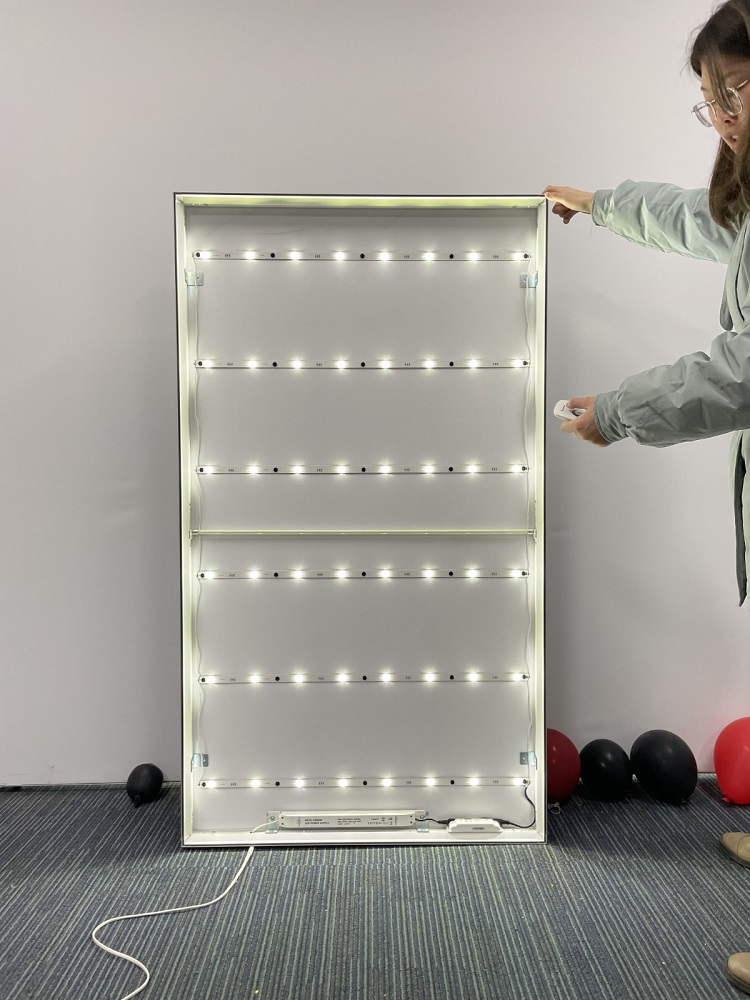
When you pick a seg lightbox, the lighting looks different. The LEDs inside spread that light across the entire display. You do not see any dark spots or overly bright areas. This even light is what makes your graphics look great. People can see every single part of your picture; where they stand doesn't matter.
Traditional lightboxes use lights placed around the frame edges. Uneven lighting is the result. Sometimes the edges appear brighter, the more central parts darker. The spreading of the light itself is not consistent. A near perfect display is lost; eye catchingness is reduced.
Here is a simple table to show the differences:
| Feature | Slim LED Light Boxes | Traditional Light Boxes |
|---|---|---|
| Illumination Quality | Superior brightness and uniformity | Less uniform lighting |
| Light Distribution | More uniform light distribution | Often uneven light distribution |
If you want your display to stand out, seg lightboxes give more even lighting.
Brightness
Brightness is important for making your display 'pop'. SEG lightboxes use special LED technology. The graphics look bright and colorful. The LEDs themselves can be edge-lit or backlit. Edge lit being the more common form; sitting on the sides of the display and shining light through a plate. Thin displays and smaller spaces suit this method perfectly. Backlit LEDs sit behind the picture - increasing the overall brightness, true color stand out being the desired effect. Your display will look good anywhere.
Traditional lightboxes utilize older types of lights; fluorescent bulbs if I recall correctly, incandescent being the other option. Less bright and to an extent not energy saving, LEDs outperform them all. Dull colors are a constant issue, boldness of the display compromised. Bright spots and/or shadows (of any form) hurt the near perfect look that a well executed display should have.
Here is a table about LED types and what they do:
| Type of LED Technology | Description | Impact on Lighting Quality |
|---|---|---|
| Edge-Lit LED Light Boxes | LED strips on the frame edges, light spreads through a guide plate. | Thin design, energy-efficient, soft and even light, ideal for small spaces. |
| Backlit LED Light Boxes | LEDs positioned behind the graphic. | Bright and even illumination, enhances colors and details, suitable for large displays. |
Note: SEG lightboxes use LED systems that need much less energy than old bulbs. You save money and still get bright displays. SEG lightboxes use a lot less power than regular lights, so you get great results without wasting energy.
If you want your display to be bright and save energy, seg lightboxes are the best choice.
Graphic quality
Print clarity
You want your graphics to look clear and nice. SEG lightboxes use dye sublimation printing on special fabric. Bright colors and near-sharp details are achievable through this method. The fabric itself is pulled tight; the entire picture is visible. Wrinkles or any form of folding are not an issue. SEG does not use glass, glare being one of the primary reasons for avoiding it. Seeing the graphics is simple - shiny spots and all associated distractions are eliminated.
Traditional lightboxes put some sort of print behind glass or clear acrylic. Glare is always a problem, seeing the graphic clearly becoming near impossible. The printing itself is less bright/sharp compared to what SEG can offer. Opaque materials block certain levels of light; duller looking graphics are the end result.
Here is a quick comparison:
| Feature | SEG Light Boxes | Traditional Light Boxes |
|---|---|---|
| Print Clarity | Very bright colors from dye sublimation | Not as bright because of printing |
| Glare Reduction | No glass, so less glare | Glass or acrylic can cause glare |
| Material | Special fabric lets light shine through | Opaque materials block some light |
Tip: Pick SEG lightboxes if you want your graphics to stand out in busy places.
Color vibrancy
You can see the color difference immediately. SEG lightboxes utilize new printing methods and LED lights. Colors appear bold and bright. The fabric itself allows some form of light to pass through; every single color stands out. True brand colors are maintained and subsequently noticed.
Traditional lightboxes do not show colors as well. Old printing, more opaque materials, dulling effects are all factors in less vibrant color presentation. Glass or acrylic reflections are another issue - fading colors being one of the end results. Catching someone's eye with a display is important, showing your brand 'best' being the end goal; SEG lightboxes meet that need.
Setup and replacement
Installation
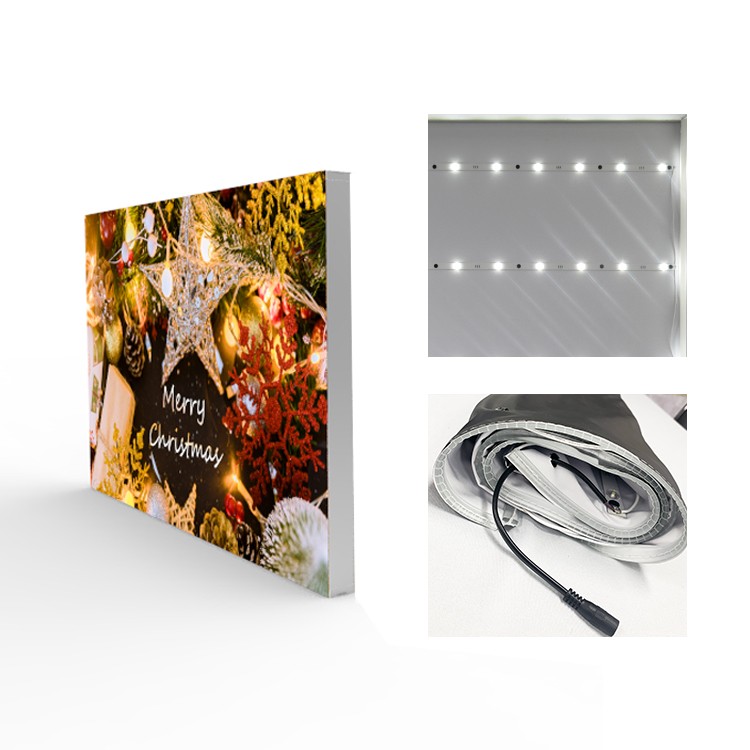
You want a display that saves you time and effort. SEG lightboxes stand out because they are lightweight and easy to assemble. Most people finish setting up a SEG lightbox in about 5 minutes. You do not need special tools or advanced skills. The process is simple:
Unbox the parts.
Snap the aluminum frame together.
Stretch the fabric graphic over the frame.
Plug in the power.
Some folding lightboxes make setup even faster. You can assemble these in just 10 seconds. This quick setup helps you focus on your event or store display, not on complicated instructions.
Tip: Always check that the frame locks securely before you add the graphic. This keeps your display stable and safe.
Changing graphics
You may want to update your graphics for new promotions or seasonal events. SEG lightboxes make this process fast and stress-free. You can swap out the fabric graphic without tools. The silicone edge fits into the frame channel, so you just pull out the old graphic and press in the new one. This design lets you refresh your display as often as you like.
Here is a quick look at what users say about changing graphics:
| Description | Source |
|---|---|
| Changing graphics in SEG lightboxes is easy and allows for seasonal updates. | 40 Visuals |
| SEG lightboxes enable quick graphic swaps for promotions and events. | Light Panel |
| Installation of graphics in SEG lightboxes is simple, requiring no special tools. | Classic Exhibits |
You save time and keep your branding fresh. Traditional lightboxes often need tools and more steps to change graphics, which can slow you down.
Portability and durability
Weight
If you need a display you can move, weight is important. A portable foldable seg light box has a frame made from recyclable aluminum. This keeps it strong but also light. You can pick up and carry it without much trouble. Many people use these at trade shows or events; easy setup and taking them down is a big plus. Traditional lightboxes use wood or some form of heavy metal - much heavier and more difficult to move. Saving time and not getting tired from constant carrying would make a portable foldable seg light box the better choice.
Material strength
Your display should last a long time. The portable foldable seg uses polyester fabric for the graphic; tearing is near impossible, smoothness is maintained. The aluminum frame (as mentioned) doesn't rust or bend. Traveling and repeated uses are perfectly suited to this type of box. Eco-friendly inks are used, bettering the situation for our planet. Glass or harder acrylic based traditional lightboxes can and do crack or receive small but constant scratches. All the previous problems are largely eliminated with the portable seg light box.
Here is a quick look at the materials and what they do:
| Material Type | Contribution to Durability |
|---|---|
| Recyclable Aluminum | Lightweight and durable, ensuring longevity |
| Polyester Fabric | Durable and recyclable, reducing waste |
| Eco-friendly Inks | Supports sustainability while maintaining quality |
You can store a portable foldable seg light box in small places. You do not need special boxes or heavy tools. This makes it easy to take to different events. If you want a display that is easy to move and lasts a long time, a portable foldable seg light box is a smart pick.
Modular lightbox options
Flexibility
Sometimes you need a display that can change. A modular lightbox is perfect for this. Making it bigger or smaller for each specific event is simple. Switching out the graphics, or at least moving various parts around, is another aspect of modularity that I find very useful. Aluminum frames keep it light and the connecting pieces are easy to work with. Setting it up and taking it down doesn't take long. Trade shows and stores of all kinds benefit from using these types of displays; keeping the 'newness' of the display is always a desired end result.
Modular displays are very useful and flexible. You can use them again and change their shape for every event.
Here is a table that shows how flexible SEG and traditional lightboxes are:
| Feature | SEG Lightboxes | Traditional Lightboxes |
|---|---|---|
| Reconfiguration Ease | High - modular design allows easy swaps | Low - typically fixed designs |
| Adaptability | Can change graphics and frame sizes | Limited to original design |
| Event Versatility | Suitable for multiple events | Often requires new setups for each |
There are many types of modular lightboxes you can pick. Some choices are SEGPRO 6x6 for bright pictures, T Modular Frame for fast setup, and R Modular Frame for making room dividers. You can also get custom options to fit what you need.
Space efficiency
Space is important at trade shows or within stores. A modular lightbox helps with both saving space and subsequently money on shipping. The frame itself comes apart into small pieces for easy packing. Putting it back together is a simple self-service at the event; time and 'work' spent on transport are greatly reduced. The fabric graphics can be folded or rolled up. Easy storage is a direct result, lower shipping being another positive outcome.
SEG Systems offers these modular lightboxes - light frames being a key feature, various special add-ons being available. More of the display area can be utilized, wasted space completely avoided. Focusing on the actual message and to some small degree the brand you are trying to project, heavy equipment is not a concern. Space efficiency is the end goal.
Branding impact
Customization
You want your brand to stand out everywhere. SEG lightboxes allow you to pick the size, shape, and color that suit your needs. Printing any design or simple logo onto the fabric is second nature. The smaller details look sharp and clear. Easy changing of some forms of graphics is possible; new events or seasons can be accounted for perfectly. Staying fresh and 'interesting' is one of the better outcomes your brand can achieve through these displays. The frameless style gives a near perfect neat edge to the entire display. Boldness and a certain clean look are both part of what the message will appear as. SEG lightboxes help push displays into being noticed, rememberable brand related interactions.
Environments
SEG lightboxes work well in many different types of places. Light weight installation is a large part of their appeal. Bright graphics will always 'pop' in a room, whatever the background. Fast switching of at least partial images is simple to manage. Strong branding (to businesses at least) is the end result they are looking for. A table outlining various uses of lightboxes is included below.
| Industry | Benefits of SEG Lightboxes |
|---|---|
| Retail | Displays that grab attention and show products well |
| Advertising | Flexible and good-looking ads |
| Exhibition | Great for showing products and info at events |
Light frames make setup simple
Bright graphics stand out
Easy to change images for new events
SEG lightboxes help your brand look great in stores, ads, and shows. They make your display look new and professional. This helps people remember your brand for a long time.
Cost factors
Upfront cost
SEG lightboxes and traditional lightboxes do not cost the same. SEG lightboxes usually cost more when you buy them. The new technology they use is a big part of this; looking modern is another factor. Some people use SEG lightboxes as a complete replacement for TVs. Saving money later on is a positive outcome of this. A cool, standout display is why you would pay that higher initial price - physical appearance being one of the main considerations.
SEG lightboxes cost more at the start.
Traditional lightboxes are cheaper to buy.
SEG lightboxes can take the place of TVs.
Tip: Think about your budget and how much you will use your lightbox before you choose.
Long-term value
Your lightbox should last, money being saved over time. LED lights last very long. Little to no power costs are associated with them, fixing them if at all is rare. Fifty thousand hours is a commonly quoted life span for LEDs. Traditional lightboxes require near constant bulb changes and all around more 'active' maintenance; yearly or semi-yearly payments will always end up being greater.
Here is a table that shows how SEG and traditional lightboxes compare over time:
| Aspect | LED Lightboxes (SEG) | Traditional Lightboxes |
|---|---|---|
| Energy Consumption | Uses about 50% less energy | Higher energy use |
| Lifespan | 35,000 to 50,000 hours | 10,000 to 15,000 hours |
| Maintenance Costs | Lower, more durable | Higher, needs more repairs |
| Bulb Replacement | Rarely needed | Often needed |
| Upfront Costs | Higher | Lower |
If you want to save money in the future, SEG lightboxes are a better choice. You spend less on power and fixing things. Your pictures stay bright for a long time.
Choosing the right lightbox
Key considerations
You want people to notice your display. When picking between a seg lightbox and a traditional lightbox, you should think about a few things. Each one is good for different places and needs.
Here is a table to help you see the main differences:
| Factor | SEG Lightboxes | Traditional Lightboxes |
|---|---|---|
| Lighting | Backlit for even illumination, boosting brightness and visual impact | Edge lit, may not provide uniform brightness |
| Location | Works best near power sources and in high-traffic areas | Similar needs, but may be less flexible |
| Content | Ideal for vibrant, large format graphics with strong visual impact | May not support the same level of impact |
| Placement | Strategic placement increases ROI and brand visibility | Placement is important for effectiveness |
| Graphic Prints | Fabric material is critical for quality and compatibility | Material options may differ in quality |
| Safety | UL listed for safety and long-term durability | Safety standards apply, but may vary |
Think about where you will put the lightbox. Busy places like trade shows or stores need displays that stand out. You also need to check if there is power nearby and enough space. If you want bright and bold pictures, a seg lightbox works better. The fabric prints look clear and the light is even. Safety matters too, so look for UL labels to make sure your lightbox is safe.
Tip: Always use the right fabric for your lightbox. This helps your colors look their best.
Best uses
You want your money to give you good results. Each lightbox has certain jobs it is best suited for. Here are some of the ways people currently use each type:
SEG Lightboxes:
Trade show booths (catching eyes being the primary goal)
Stores that frequently change their graphics
Company events where branding must pop
Art galleries or museums, seeking a more modern look
Traditional Lightboxes:
Long term store/airport style signs
Menu boards in restaurants
Outdoor signs that need to be tough
Places where you do not change graphics often
If you want to change your pictures a lot and keep your display looking new, a seg lightbox is best. You can swap out the fabric fast and keep your display fresh. For places that need a strong frame that lasts, traditional lightboxes are a good pick.
Note: Always think about what you want and where you will use the lightbox before you choose. The right lightbox helps your display look great and last a long time.
You can look at this table to spot the big differences:
| Feature | SEG Lightboxes | Traditional Lightboxes |
|---|---|---|
| Portability | Easy to move | Heavy and bulky |
| Setup | Quick and simple | Time-consuming |
| Visual Impact | Modern, vivid | Less eye-catching |
Most experts say SEG lightboxes are best for strong branding. They are also good if you want to change your display often. Think about what you want to show, how much you want to spend, and how much room you have. You can look at different choices or ask a display expert for help. This way, you can get the best display for your needs.
FAQ
How do you clean a SEG lightbox graphic?
Wipe the fabric with a soft cloth and mild soap. Do not use strong chemicals. Let the fabric dry in the air before you put it back.
Can you use SEG lightboxes outdoors?
You can use SEG lightboxes outside if you pick weather-resistant ones. Always look at the product details to see if it works outdoors.
What tools do you need to change graphics in a traditional lightbox?
| Lightbox Type | Tools Needed |
|---|---|
| SEG Lightbox | None |
| Traditional Lightbox | Screwdriver and pliers |