


How the EU Carbon Border Mechanism Is Reshaping Lightweight Display Imports
 Jan 08, 2026|
 View:743
Introduction: CBAM: From Policy Provisions to Procurement Reality
Starting in January 2026, the EU's Carbon Border Adjustment Mechanism (CBAM) will enter its full implementation phase. Carbon emissions will no longer be just an indicator in compliance documents, but a real factor directly affecting import costs and procurement decisions.
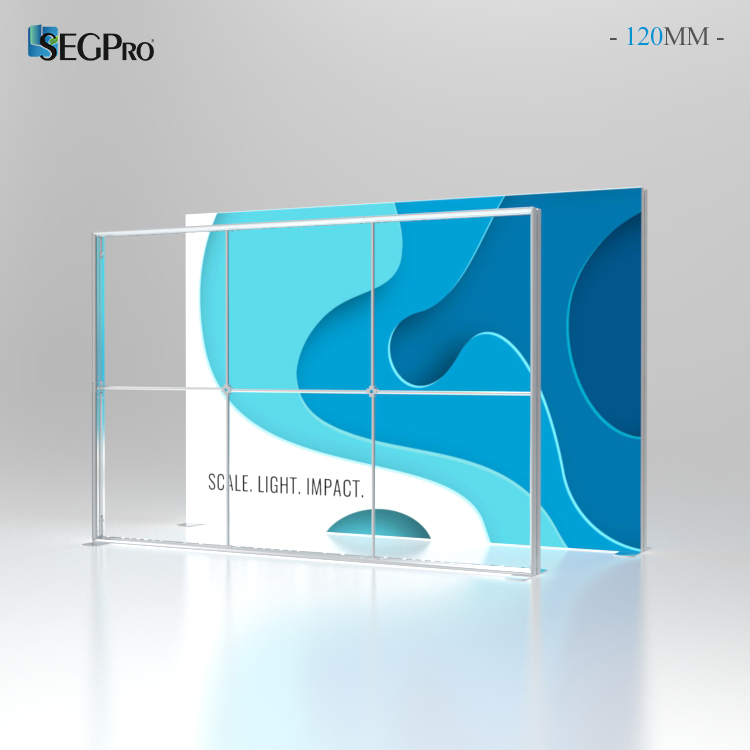
Although CBAM initially covers basic high-carbon materials such as steel and aluminum, its impact is already beginning to spread to downstream industries. The exhibition and display equipment industry, especially lightweight display equipment and SEG aluminum light boxes with aluminum profiles as their core structure, is gradually becoming a focus of attention for EU buyers.
Notably, some EU customers have already started CBAM registration and carbon data preparation work approximately four months in advance, indicating that CBAM is no longer a "future policy," but is already influencing current procurement practices.
Why the Lightweight Display Equipment Industry is Affected by CBAM
Exhibition and display equipment is usually considered finished equipment, but its structure heavily relies on aluminum profiles, aluminum frames, and modular metal structures. Aluminum is one of the high-carbon materials explicitly included in the first phase of CBAM regulation.
This means that:
The product itself may not yet be directly subject to CBAM costs.

However, the carbon emissions of its core materials have been included in the EU's regulatory framework.
Under the context of HS codes, product classification, or policy expansion, relevant products may be required to declare carbon emissions, or even bear actual carbon costs.
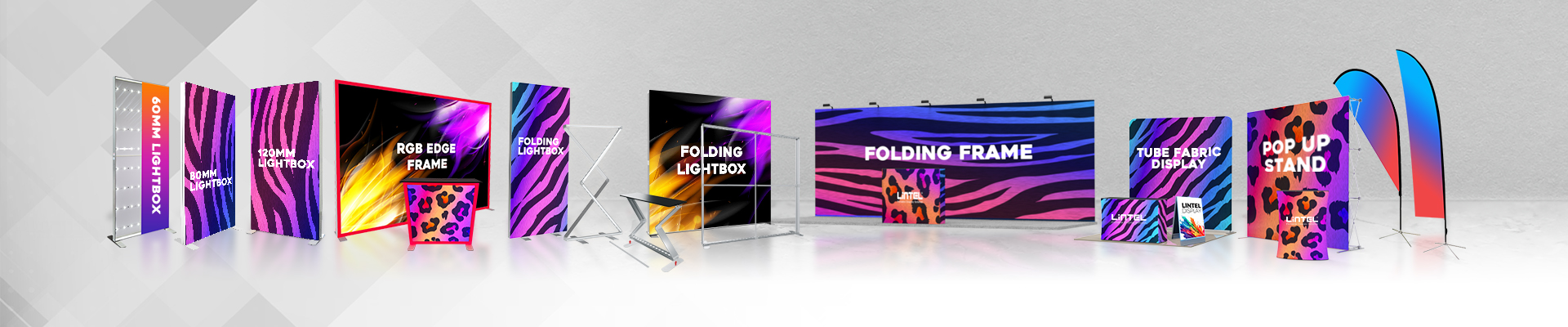
This trend is particularly evident for lightweight display equipment represented by SEG aluminum light boxes, reusable display stands, and modular display systems.
The Actual Impact of CBAM on EU Imports of Lightweight Display Equipment
1. Changes in Cost Structure
Under the CBAM framework, EU importers need to purchase CBAM certificates based on the "embedded carbon emissions" of the aluminum contained in the product:
If the supplier cannot provide reliable carbon emission data,
The importer will be forced to use the EU's default emission values (usually higher).
Actual import costs will increase accordingly, and fluctuations will be affected by EU ETS carbon prices.
This means that "product unit price" is no longer the sole decision-making criterion; "controllability of carbon costs" is now entering the procurement equation.
2. HS Codes Determine CBAM Risk Boundaries
Whether CBAM applies depends on the product's HS code during EU customs clearance, not the product name or intended use. In actual trade, common declaration paths for SEG aluminum light boxes and related products include:
| Product Classification | Common HS Codes | CBAM Risk Level |
|---|---|---|
| Aluminum extrusions / profiles | 7604 / 7608 | Directly covered |
| Aluminum structures / frames | 7610 / 7616 | High risk / partial coverage |
| Finished SEG lightbox (with LED & fabric) | 9405 or 7616 | Indirect impact (data required) |
The key lies in the product structure and declaration logic:
If a product is identified as "primarily composed of aluminum structures," even if it is a finished product, it may be included in the CBAM assessment scope.

CBAM Cost Calculation Example for SEG Aluminum Light Boxes (Industry Reference)
The following is a simplified example to help buyers and suppliers understand the cost logic of CBAM.
Assumptions:
Aluminum usage per SEG aluminum light box: 18 kg
Export quantity: 100 sets
Total aluminum quantity: 1.8 tons
EU ETS reference carbon price: €80 / tCO₂
Scenario 1: No carbon data, using default values
Emission intensity: 12 tCO₂ / ton of aluminum
CBAM cost ≈ €1,728
Increased cost per light box: approximately €17–18
Scenario 2: Using low-carbon/recycled aluminum and providing accounting data
Emission intensity: 3 tCO₂ / ton of aluminum
CBAM cost ≈ €432
Increased cost per light box: approximately €4–5
Conclusion:
Carbon data and material selection directly determine the level of CBAM costs. How Should Buyers Respond Under the CBAM Framework?
EU buyers are gradually adjusting their supply chain strategies:
Completing CBAM registration and compliance preparations in advance
Incorporating suppliers' carbon data capabilities into their evaluation systems
Preferring partners who can cooperate with compliance requirements in the long term
Shifting from "lowest price procurement" to "controlled risk procurement"
Lintel: Responding to CBAM Challenges with Green and Professional Solutions
As a professional manufacturer specializing in portable display equipment, Lintel has long advocated:
Lightweight, modular, and reusable display solutions
Reducing single-use construction and material waste
Promoting the exhibition industry towards a green and sustainable direction
In terms of products and compliance, Lintel's display equipment has passed international certifications such as ROHS, CE, and REACH, and continues to strengthen the following capabilities under the CBAM framework:
Assisting customers in understanding HS codes and CBAM risk boundaries
Providing carbon emission support information at the product structure and material levels
Helping customers reduce potential CBAM costs through recyclable aluminum materials and optimized design
Collaborating with EU customers to address CBAM compliance requirements in advance and avoid trade risks
As CBAM is gradually implemented, whether suppliers possess "compliance service capabilities" is becoming a new competitive threshold.
CBAM is Changing Supplier Selection Logic
In the new trade environment, EU buyers are more concerned about:
Whether traceable material information is provided
Whether they are familiar with CBAM rules and reporting logic
Whether they possess green design and long-term compliance capabilities
This is not only a compliance requirement but also a reflection of a company's professionalism and sense of responsibility.
Conclusion: From Compliance Pressure to Industry Upgrade
CBAM is driving a structural upgrade in the exhibition and display equipment industry.
For lightweight display equipment and SEG aluminum light boxes, green design, recyclability, and carbon transparency will become important passports to enter the EU market.
Companies like Lintel, with their core values of green philosophy and professional manufacturing, are helping customers avoid risks, stabilize costs, and build long-term cooperative relationships in the CBAM era.